
Press Releases
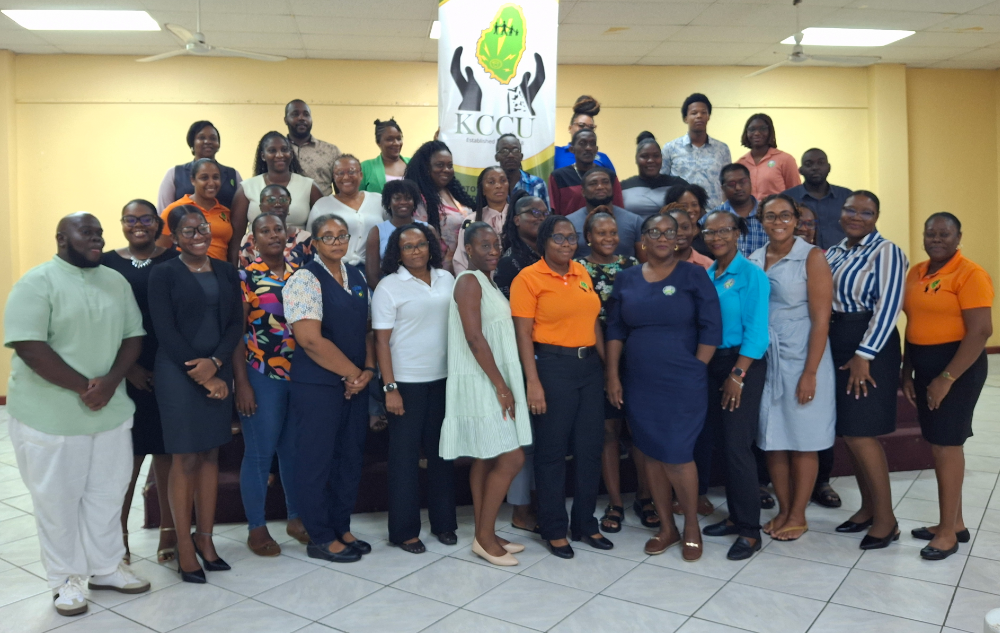
KINGSTOWN, St. Vincent and the Grenadines, 15 September 2026 – The Kingstown Cooperative Credit Union (KCCU) is taking steps to strengthen its members’ knowledge and capabilities to better operate and manage their enterprises.
Forty (40) KCCU members and other attendees participated in a one-day workshop, “An Introduction to Recordkeeping: Why It Matters and How to Do It Right," on Tuesday, 15 September. The workshop was held at the Methodist Wesley Hall in Kingstown and delivered by the Centre for Enterprise Development Inc. (CED).
The training was facilitated by CED Business Development Officer Nisha Glasgow.
Chairman of the KCCU Education and Marketing Committee, Joslyn Craigg, said the initiative forms part of the credit union’s commitment to equipping Vincentians with practical knowledge and skills that can contribute to the growth and sustainability of their businesses.
“At KCCU, we recognise that our members’ success is closely connected to the strength and sustainability of the businesses they operate. Proper recordkeeping is an important part of that process, as it helps entrepreneurs understand the financial position of their businesses and make informed decisions. We are pleased to partner with CED to provide our members with practical tools that they can apply directly to their businesses,” Craigg said.
The workshop objectives were to help participants understand what recordkeeping entails; determine the information needed to obtain debt financing; identify sources of financing for a small business; compare the advantages and disadvantages of different sources of financing; create a simple recordkeeping system; and identify and understand a balance sheet, income statement, and cash flow statement.
According to CED’s Officer in Charge and Training and Education Coordinator, Keisha Phillips, the organisation’s goal was to help participants see recordkeeping as a useful tool that does not have to be complicated.
“The goal is to look at some simple, practical ways of keeping the information you need, understanding what those records are telling you, and using them to make better decisions for your business. By the end of today, I hope you will see recordkeeping not as a chore, but as a useful tool—one that can help you understand your business better, manage your money more effectively, and plan for the future,” Phillips said.
Phillips noted that entrepreneurs often do not prioritise keeping proper records while managing their businesses.
“But the truth is, good recordkeeping can make running a business much easier. Your records tell the story of your business. They help you see how much you are selling, what you are spending, whether you are making a profit, and where you may need to make changes,” she noted.
“Good records are also important when you need to make bigger decisions. For example, if you want to expand your business, purchase equipment, or apply to your credit union for financing, having clear and up-to-date records can make a big difference. They give you — and others — a clearer picture of how your business is doing.”
Phillips also commended KCCU for investing in the development of its members, noting the importance of providing entrepreneurs with practical knowledge and tools to support the growth and sustainability of their businesses.
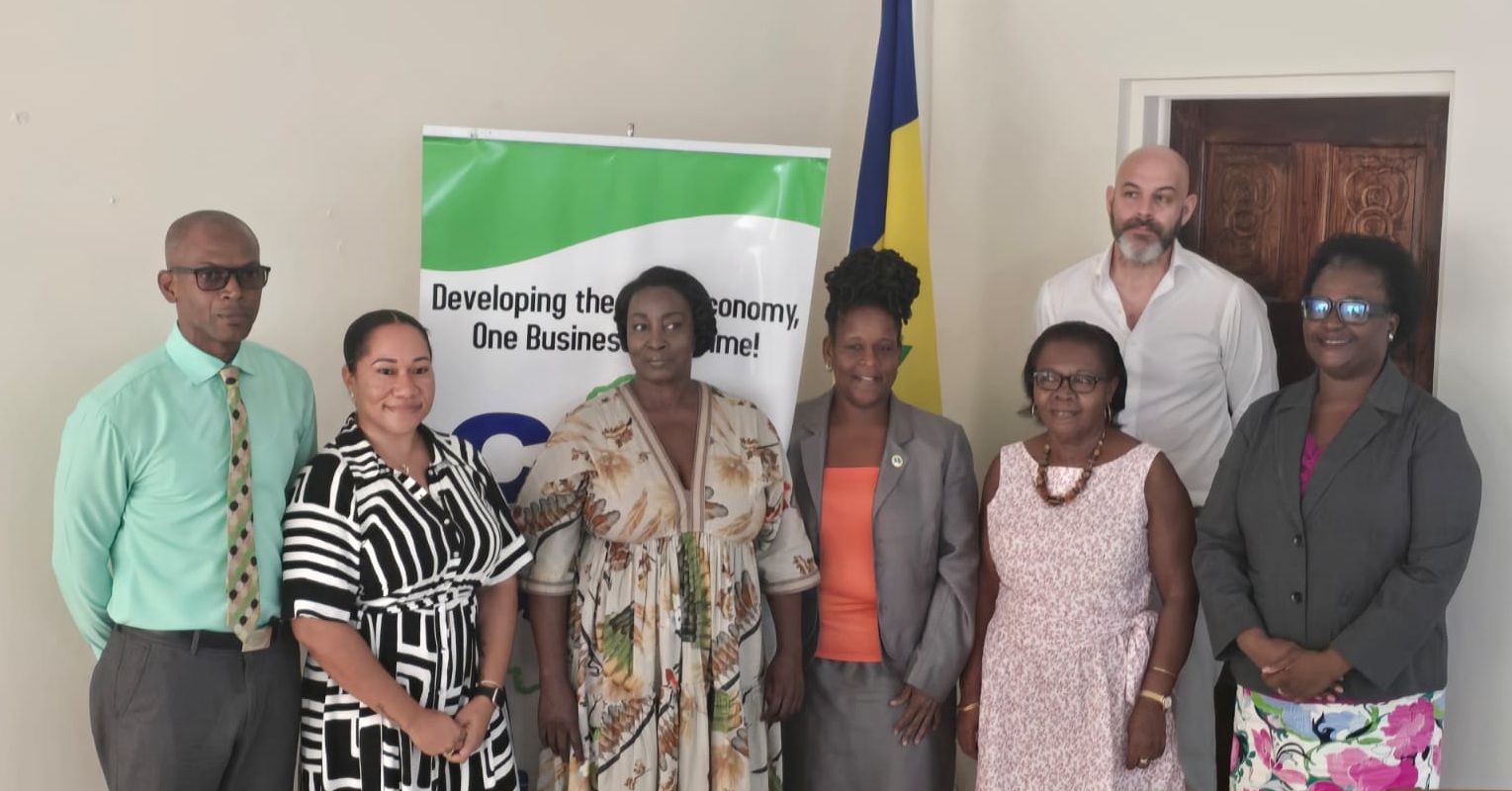 KINGSTOWN, St. Vincent and the Grenadines, August 27, 2026 – The Centre for Enterprise Development Inc. (CED) has entered a new phase of development with the implementation of a five-year Strategic Plan aimed at strengthening its operations, improving support for businesses, and playing a greater role in advancing private sector development in St. Vincent and the Grenadines.
The new strategic framework is the outcome of a year-long strategic planning project funded by the Caribbean Development Bank (CDB) and provides CED with a clear roadmap to guide its work over the next five years.
The plan is expected to enhance the organisation’s capacity to deliver more effective and responsive services to entrepreneurs and businesses while ensuring that its programmes and initiatives are aligned with the evolving needs of the local private sector.
CED formally highlighted the new strategic direction during a Closing Ceremony for the Strategic Plan Project held at Sunset Shores Hotel Conference Room in Villa on Thursday. The event marked the conclusion of the planning initiative and the beginning of a new chapter focused on implementing the priorities outlined in the five-year plan.
Miss Keisha Phillips, Officer in Charge of CED, presented an overview of the Strategic Plan, describing it as a "pivotal moment for enterprises in St. Vincent and the Grenadines”. She noted that it positions CED as "the connective tissue between new capital, new regional partnerships, and the thousands of Vincentian entrepreneurs who need both money and the know-how to use it well”.
The plan, she outlined, is built on four strategic pillars: Pillar 1 - Entrepreneurship Development and Business Support Services; Pillar 2 - Access to Finance and Investment Readiness; Pillar 3 - Ecosystem Strengthening, Partnerships and Policy Advocacy; and Institutional Strengthening for Sustainability. The five-year investment plan carries a total programmatic budget of US$4.64 million over the period 2026 to 2030, with Pillar One, Entrepreneurship Development, carrying the largest share at US$3.3 million.
Phillips highlighted the plan's alignment with the government’s announcement of the soon-to-be-established National Development Bank, noting that CED sees itself as the bank's "natural referral partner and readiness pipeline, not a competitor”. She also shared the organisation's new vision: "To be one of the leading drivers of innovation, entrepreneurship, and economic resilience in the Eastern Caribbean."
“Our vision is to be one of the leading drivers of innovation, entrepreneurship and economic resilience in the Eastern Caribbean. 2026 gives us a genuine tailwind to make that real — a new National Development Bank opening up capital, renewed regional technical assistance through CDB, strong tourism momentum, and a government firmly committed to private-sector-led growth. This Strategic Plan is CED's commitment to make sure that momentum reaches every entrepreneur it should,” Phillips concluded.
GOVERNMENT ENDORSES STRATEGIC PLAN DIRECTION
The new Strategic Plan was strongly endorsed by Minister of State in the Office of the Prime Minister, the Honourable Senator Chieftain Neptune, as he delivered the Feature Address. He commended CED for its continued commitment to private sector development, describing its evolution from a business support agency into a powerhouse of MSMEs, innovation, and entrepreneurship in the Eastern Caribbean.
The Senator noted that CED's Strategic Plan aligns with the broader goals of the Ministry of Finance, Economic Planning and Private Sector Development, under which CED is a unit.
“A diversified, data-driven, opportunity-rich, Vincentian economy where MSMEs are the core of our growth and resilience. At the national level, we are actively shaping a brighter future with initiatives like the upcoming National Development Plan 2027-2042 complete with a clear step for implementation, budgeting and governance; strengthening public investment management through modern project appraisal systems and real-time project database; overhauling our national statistical system because in today’s world, you can’t manage what you don’t measure,” he stated “In the context of CED’s plan, it is not to isolate efforts, it is a vital part of our national symphony.”
He also issued three challenges to the Business Support Organisation (BSO): "own this plan, measure relentlessly, push goals higher, train more entrepreneurs, and improve survival rates”, and called on the private sector to see CED as a partner, not just a government office. “Mentor, collaborate, co-invest and let’s prove that working together creates a competitive edge.
Senator Neptune urged development partners, especially CDB, to remain committed.
“The next phase is about executing at scale, making sure that every dollar and every hour of support translate into real change.”
Reflecting on CED's motto of "Developing the local economy one business at a time," he expressed confidence that when that promise is honoured, "in five years, we'll see a flourishing landscape of new businesses, new jobs, stronger communities and an economy more resilient, inclusive and confident."
CDB REAFFIRMS COMMITMENT TO MSME DEVELOPMENT
The Caribbean Development Bank, as the primary funder of the project, reaffirmed its commitment to CED's success. Miss Allyson Francis, Operations Officer for MSMEs in the Private Sector Division at the CDB, expressed confidence that the new Strategic Plan would position CED to better serve the MSME sector.
“The support is intended to strengthen CED’s capacity to assess its operating environment, engage stakeholders, define strategic priorities, develop an implementation framework, and put in place important monitoring and evaluation learning systems that can track results over time. Institutional strengthening is at the heart of the effort. A strong MSME sector requires a strong business support institution,” Francis emphasised. “For CED, this means having clearer systems, stronger governance, better use of data, improved client relationships, management, enhanced staff capacity, strong partnerships, and a more sustainable resource base. It also means being able to design services that respond to the real needs of entrepreneurs, rather than relying only on one-off training or isolated projects. Importantly, the support also included practical training for CED staff, strengthening their ability to deliver consistent, high-quality business development services.”
Francis described the project as being of "significant importance" and noted that the intervention comes "at a very critical time" for St. Vincent and the Grenadines. She emphasized that the support for CED's strategic plan is aimed at helping the organisation "move beyond short-term, ad-hoc interventions towards a more structured, programmatic, and resource-focused approach to enterprise development”.
Stressing that "a strong MSME sector requires a strong business support institution”, she noted that the assistance included practical training for CED staff and the development of tools to support day-to-day operations.
“We are helping St. Vincent and Grenadines to build a more diversifying, inclusive, and resilient economy, driven in part by a stronger and more competitive MSME sector. However, the success of the strategy will depend on its implementation. The plan must be treated as a living management tool. It will require prioritization, adequate resourcing, committed leadership, active, broad oversight, strong partnerships with all persons here, regular measurement of results. It also requires CED and its partners to remain responsive to changing conditions, including climate events, shifts in market, financing constraints, and evolving needs of our entrepreneurs. The relationships developed in the consultative process must be maintained.”
She concluded by reaffirming the CDB's commitment.
“Caribbean Development Bank is really pleased to have developed this strategy and we look forward to its implementation and success."
CED CHAIRMAN CALLS FOR MORE PARTNERSHIPS
The CED Board of Directors also pledged its full support for the plan's execution, and Chairman Mr. Luke Boyea, reaffirmed their commitment to guiding the organisation's implementation of the new plan. He assured MSMEs that CED's role is to help remove bureaucratic roadblocks, not create them.
“We must continue to advocate for the advancement of MSMEs, including both at the policy and the legislative levels. We must also communicate the crucial role that MSMEs play in society. The days of entrepreneurship as being the fallback option to being a doctor, lawyer or the like should be vanquished to history,” he said. “We have to make owning businesses and conducting business as significant as having the same stature. If we don’t do that, we’re always going to have maybe not the best people involved in the business.
Boyea emphasized that the strategic plan does not exist in a vacuum.
“It requires the active participation and partnership of the MSME community with CED and other government entities. This isn’t just a CED thing. The government must play their role. The other enabling mechanisms must be there, including the National Development Bank, as we just heard. This only works if entrepreneurs step up and use the opportunities and the skillsets provided. It is of critical importance that our communities are knowledgeable of the services provided to MSMEs and that we deliver best in class. Success will breed success.”
Boyea concluded with a call to action, urging all stakeholders to embrace the continuous improvement cycle of action, measure, refine, and repeat, reminding the audience, "If CED is successful, SVG will be successful."
The ceremony concluded with a video presentation capturing stakeholder perspectives on how the Strategic Plan will help improve the organisation over the coming years.
The CED five-year Strategic Plan Project was funded in the sum of US$62,480, with the Caribbean Development Bank contributing US$44,200 and CED contributing US18,280.
KINGSTOWN, St. Vincent and the Grenadines, 25 August, 2026 – A special ceremony will be held on Thursday to mark the culmination of a year-long Caribbean Development Bank (CDB) project that will revolutionize a local Business Support Organisation (BSO).
The Project Closing Ceremony for the Strategic Plan Project for lead BSO, the Centre for Enterprise Development Inc. (CED), takes place on Thursday, 27 August at the Sunset Shores Hotel in Villa.
The project, funded by the Caribbean Development Bank (CDB), focused on developing a new five-year strategic plan that will strengthen CED’s capacity to deliver services and improve private sector development.
Produced by regional business consultant, Christopher McNair, the new strategic plan is expected to expand CED’s reach beyond traditional advisory services to emerging growth sectors and is built on four strategic pillars.
The Project Closing Ceremony will feature Minister of State in the Prime Minister’s Office, the Honourable Chieftain Neptune as keynote speaker, and remarks from Allyson Francis, Operations Officer MSME, Private Sector Division, and CED Chairman Luke Boyea. Keisha Phillips, Officer in Charge of the CED, will reflect on the scope of the project.
The Centre for Enterprise Development Inc. (CED) is a department of the Ministry of Finance, Economic Planning and Private Sector Development, established in 2005 to support and stimulate the expansion of the private sector. The CED supports the Micro, Small and Medium Enterprise (MSME) sectors by undertaking business development and institutional strengthening initiatives, advocacy, training and education, with the objective of creating an enabling business ecosystem for MSMEs to prosper and positively impact the development of St. Vincent and the Grenadines.
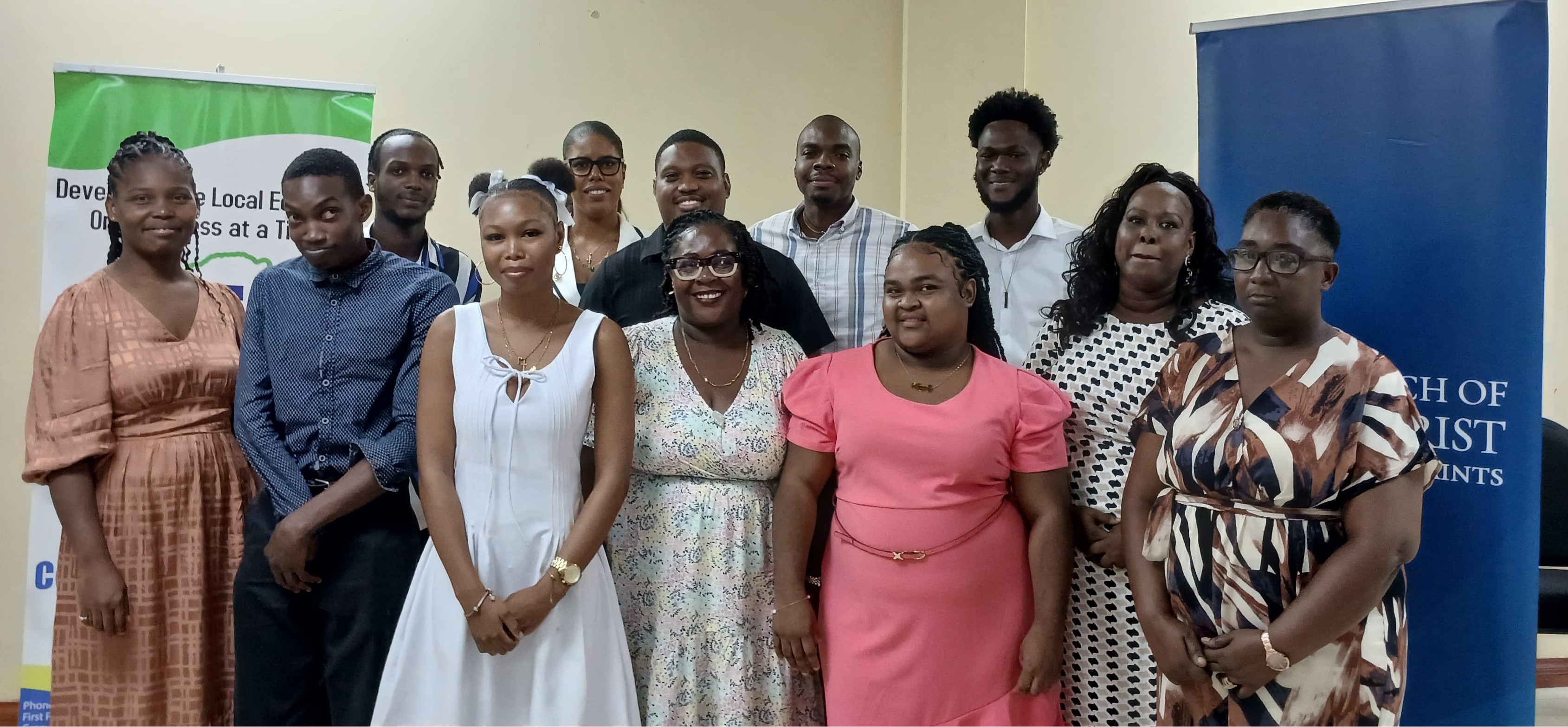
KINGSTOWN, St. Vincent and the Grenadines, 20th August, 2026 – The Centre for Enterprise Development Inc. (CED) successfully hosted the closing ceremony for The Church of Jesus Christ of Latter-Day Saints Members Business Development Project, celebrating the achievements of twelve (12) participants who completed an intensive six-week business development and skills training programme.
The ceremony, held at The Teachers Cooperative Credit Union Conference Room, brought together participants, facilitators, government officials, and key partners to recognise the graduates' dedication to entrepreneurship and professional growth.
Officer in Charge of CED, Miss Keisha Phillips, provided an overview of the project, which was implemented from 1 July to 7 August, 2026. She explained that the initiative was designed with three clear objectives: to train selected persons in entrepreneurship and business management; to assist successful participants with registering their businesses with the Commerce and Intellectual Property Office (CIPO) and purchasing initial supplies; and to provide mentorship during the first six months of business operations.
She outlined that throughout the programme, participants explored what it means to identify a viable business opportunity, understand customers and market needs, and develop business models that create value while remaining financially sustainable. Significant focus was placed on financial management—recordkeeping, cash flow monitoring, and costing and pricing of products and services. Participants were also introduced to the Lean Canvas Business Model Tool, which provided a structured way to think through their business ideas, encouraging them to ask critical questions.
"This project demonstrates an important principle: that empowerment is not simply about providing assistance," Miss Phillips said. "True empowerment is about equipping people with the knowledge, skills, confidence, resources, and support they need to become more self-reliant and to create opportunities for themselves and others."
She commended the Church for its continued commitment to the development and well-being of its members, noting that the mentorship component of the project will help graduates navigate the early stages of their business operations. "Today is not the finish line. In many ways, today is the starting line," she reminded the graduates.
First Counselor of Mission Presidency in The Church of Jesus Christ of Latter-Day Saints, Mr. Nkosi Stewart, reinforced the spiritual foundation of the programme, stating that "improving your skills, improving your business skills, is a part of being in ministry." He referenced Alma 37:6, noting that "by small and simple things, great things can come to pass”.
Head of the Private Sector Development Department, Ministry of Finance, Economic Planning and Private Sector Development, Mr. Christo Primus, delivered the keynote address, entitled "Building for Purpose: Courage, Stewardship, and Sustainable Enterprise”. Mr. Primus commended the partnership between the Church and CED, describing the programme as a model of how faith-based institutions, technical agencies, and government vision can align to create tangible economic opportunities.
"Empowerment fails when it remains theoretical," Mr. Primus stated. "What makes this programme so impactful is that it delivers the complete equation — practical training, direct business counselling, formal registration through CIPO, and direct seed funding."
He challenged the graduates to view their business registration not as a course completion but as the launch of an obligation. "The business plan you drafted is not a document to sit on a shelf. It is your strategic blueprint. You are officially a business. The grant you will receive is seed capital — treat it with respect, plant it carefully, and do not consume it before it has a chance to harvest."
Mr. Primus offered three core principles: lead with uncompromising integrity, practice disciplined stewardship by separating personal and business finances, and cultivate resilience over comfort.
"Resilience does not mean never encountering a problem. It means having the structure and mindset to adapt when challenges arrive. You are not running this race alone," he reminded them. He urged graduates: "Take the training, leverage coaching, deploy your brand wisely, and build enterprise that endures."
The ceremony concluded with the presentation of training certificates and business registration certificates from CIPO to all 12 participants.
The Members Business Development Project represents a continued effort by The Church of Jesus Christ of Latter-Day Saints and CED to foster a culture of entrepreneurship and equip individuals with the tools needed to contribute meaningfully to St. Vincent and the Grenadines' economic development.
KINGSTOWN, St. Vincent and the Grenadines, 30 June, 2026 – Residents of North Leeward who own and operate businesses will next week get an opportunity to access training and business advice at a Business Clinic.
The Centre for Enterprise Development Inc. (CED) will conduct the fourth in a series of Business Clinics under its Unlocking Opportunities Through Climate Change Initiatives (UOCCI) Project, on Thursday, 9 July, from 10:00 a.m. to 2:00 p.m. at the Wafulasun Sports Bar in Cumberland.
The CED is inviting small business operators and persons who want to start a business on the leeward side of the island to attend the Business Clinic and meet individually with its Business Development Officers (BDOs) to discuss issues affecting their businesses. In addition, the Business Clinics will help the CED improve its technical support services and develop programs to better serve the business sector.
The CED appeals to residents of North Leeward and other communities on the leeward side of St. Vincent to take advantage of the opportunity and attend the Business Clinic.
To date, the CED has held Business Clinics in Barrouallie, Mesopotamia and Georgetown under the three-year UOCCI Project which funded by the Organization of American States (OAS), through its Development Cooperation Fund (DCF), and is being implemented under the OAS/DCF 2024-2027 programming cycle to support, recognize and foster the contributions of women and underserved communities to create a more inclusive and effective approach to climate action that benefits everyone.
The goal of the UOCCI Project is to reduce the impact of climate change to enhance livelihoods and increase economic opportunities for women and vulnerable communities.